


The Illusion of "Perfect"
We scroll through our feeds and see it all: flawless skin, picture-perfect meals, effortless wellness routines, and lives that look beautifully put together. It’s easy to forget that what we’re seeing isn’t real life. It’s curated, edited, and filtered to make us envious.

Social media connects us in incredible ways, but it also has a quiet downside. The constant stream of idealized images can change how we see ourselves —and even how we eat. When every scroll is filled with “perfect” bodies and “clean” eating posts, it’s no wonder so many of us start to question our own worth, appearance, or habits.
We begin to compare our behind-the-scenes moments to someone else’s highlight reel, measuring ourselves against something that isn’t real. And over time, those small comparisons can take a significant toll on self-esteem, mental health, and our relationship with food.
The Comparison Trap: Why We Feel "Less Than" Online
Despite knowing that social media provides only a fraction of the whole story, we still hold ourselves to the appearance of what we see online. Every scroll can quietly send the message that we should be doing more, eating better, or looking different. Over time, these comparisons can chip away at our confidence and make us feel “less than.”
How Social Media Comparison Affects Self-Esteem
Platforms like Instagram and TikTok are designed to show us content that performs 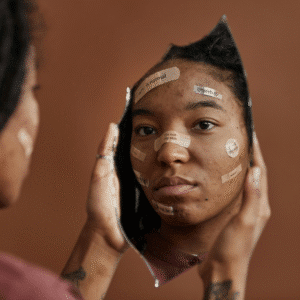
Research shows that repeated exposure to idealized content can increase body dissatisfaction and lower self-esteem. For many people, this comparison trap leads to anxiety, negative body image, and a distorted sense of self-worth.
When “likes” and validation start to replace genuine self-acceptance, it becomes harder to see our own value beyond the screen. This can make topics like weight or food complex.
When Scrolling Shapes Eating Habits
Social media doesn’t just influence how we see ourselves; it also changes how we eat.
Every scroll brings a new wave of “What I eat in a day” videos, diet hacks, and influencers promoting the next cleanse or “miracle” lifestyle. The constant exposure to this kind of content can make it easy to second-guess your own choices or feel like you’re doing something wrong if your plate doesn’t look picture-perfect.
“Every scroll brings conflicting advice about ‘good’ and ‘bad’ foods, extreme diets, and self-proclaimed ‘experts’ spreading misinformation,” explains Stephanie Ryan, Clinical Director at Eating Disorder Treatment Centers of Louisiana. “Children and teenagers are especially vulnerable, absorbing unrealistic standards that can lead to disordered eating and low self-esteem.”
The Connection Between Social Media and Disordered Eating

The problem isn’t that social media talks about food, it’s how it talks about it. Many creators share personal preferences as universal truths, labeling foods as “good” or “bad” and promoting unrealistic expectations for what healthy eating should look like. This constant moralization of food can create anxiety, guilt, and confusion around normal eating patterns.
Teens are’t the only ones who experience this phenomenon. Even adults have elevated exposure to this. Studies have found that people of all ages who engage in frequent social comparison around food and body image report higher levels of stress, shame, and disordered eating behaviors.
By trapping ourselves in this environment, eating becomes less about nourishment and more about performance. What looks best on camera, what earns praise, and what fits the latest trend.
Reclaiming Reality: What’s Real vs. What’s Edited
Social media often feels like a scrapbook of the lives we wish to live, being carried out by those we wish to be. We completely ignore the filters, angles, and algorithms that get us there, and instead take that snippet as the whole story. But it is crucial to break this mindset. We need to remind ourselves that every image is curated — chosen for its best light, edited to perfection, and posted for approval.
It’s no wonder so many of us start to believe that everyone else is happier, healthier, or more disciplined than we are. But those posts only capture moments — not the messy, human reality that happens in between.
“Platforms are flooded with images that promote one narrow ideal of beauty — often equating thinness with health, success, and happiness,” says Stephanie Ryan, Clinical Director at Eating Disorder Treatment Centers. “In this environment, social media becomes less about connection and more about comparison — leaving many young people believing that their worth depends on how closely they match an illusion.”
How to Build a Healthier Relationship with Social Media
If social media has become a source of pressure or self-doubt, it may be time to pause and reset your relationship with it. Here are a few ways to start reclaiming what’s real:
-
- Curate your feed intentionally.
Be more aware of those you allow into your feed. If you aren’t feeling supported, try following creators and communities that promote authenticity, body diversity, and self-acceptance. Unfollow accounts that make you feel like you’re not enough. - Question what you see.
Before believing what a post implies, ask yourself: Is this real? Is this helpful? Is this an accurate representation? A single photo or video rarely reflects an entire lifestyle. - Take time offline.
Stepping away from screens, even briefly, can restore your perspective and help reconnect you with your body and your environment. If you feel like you’re becoming time-blind on social media, consider placing time limits on your app usage. - Seek real connection.
Conversations, meals, and moments shared in person are what build self-worth, not likes or followers. If you start to struggle with something online, confide in a friend rather than doom-scrolling your way through it.
- Curate your feed intentionally.
Research backs this up: reducing social media use by even 50% can improve body image and self-esteem within weeks (American Psychological Association, 2023). The more time we spend grounded in reality, the easier it becomes to see ourselves clearly — and with compassion.
Finding Balance and Healing

Recovering your sense of self in a world of constant comparison takes time and intention. But healing doesn’t mean deleting every app or disconnecting from the online world entirely. It means learning how to engage with it in ways that protect your peace.
Balance begins with awareness. Recognizing how certain accounts or messages make you feel and adjusting what you consume are among the most powerful steps you can take toward a healthier mindset. Social media can be helpful in both connection and education, but it should never make you question your worth or your body.
When you start to unfollow pressure and seek out authenticity, you create space for joy, creativity, and nourishment to return. Over time, those small shifts can lead to a deeper sense of confidence and self-trust.
Healing is not about perfection. It’s about progress. Choosing real connection over curated images, nourishment over restriction, and compassion over comparison.
Joy Lives in What's Real
Comparison may steal our peace, but authenticity restores it. When we stop measuring ourselves against illusions and start embracing who we really are, healing begins to take root. The more we practice seeing ourselves with compassion instead of criticism, the freer we become to live fully and eat freely.
You deserve a relationship with yourself that isn’t shaped by filters, algorithms, or approval counts. You deserve to feel whole in your body and at peace in your mind.
If you’re struggling with body image, food, or self-worth, you don’t have to navigate it alone. Eating Disorder Treatment Centers is here to help you find balance, healing, and joy in what’s real. Reach out today to take the first step toward recovery.
Need to Talk?
Contact our team for a confidential assessment and get the information you need to make an informed, compassionate decision.